Inhibrx

Inhibrx is a clinical-stage public biotech company that utilizes its proprietary single-domain antibody platform to develop novel therapeutic candidates.

Mark Lappe – Inhibrx’s CEO – was referred to us by Jefferies investment bankers. Mark and his team were planning to take the company public and needed to refine their investor presentation. They were looking to add clarity to messages on the slides and visual infographics to complement the narrative.

This was a presentation update project, where we took an existing presentation structure, followed the talk track of the presenter, simplified the content, and developed infographics to help communicate the message.

Inhibrx successfully raised $137M in an initial stock offering ($18M over the targeted amount). We’re still working closely with their team to support their evolving communications.

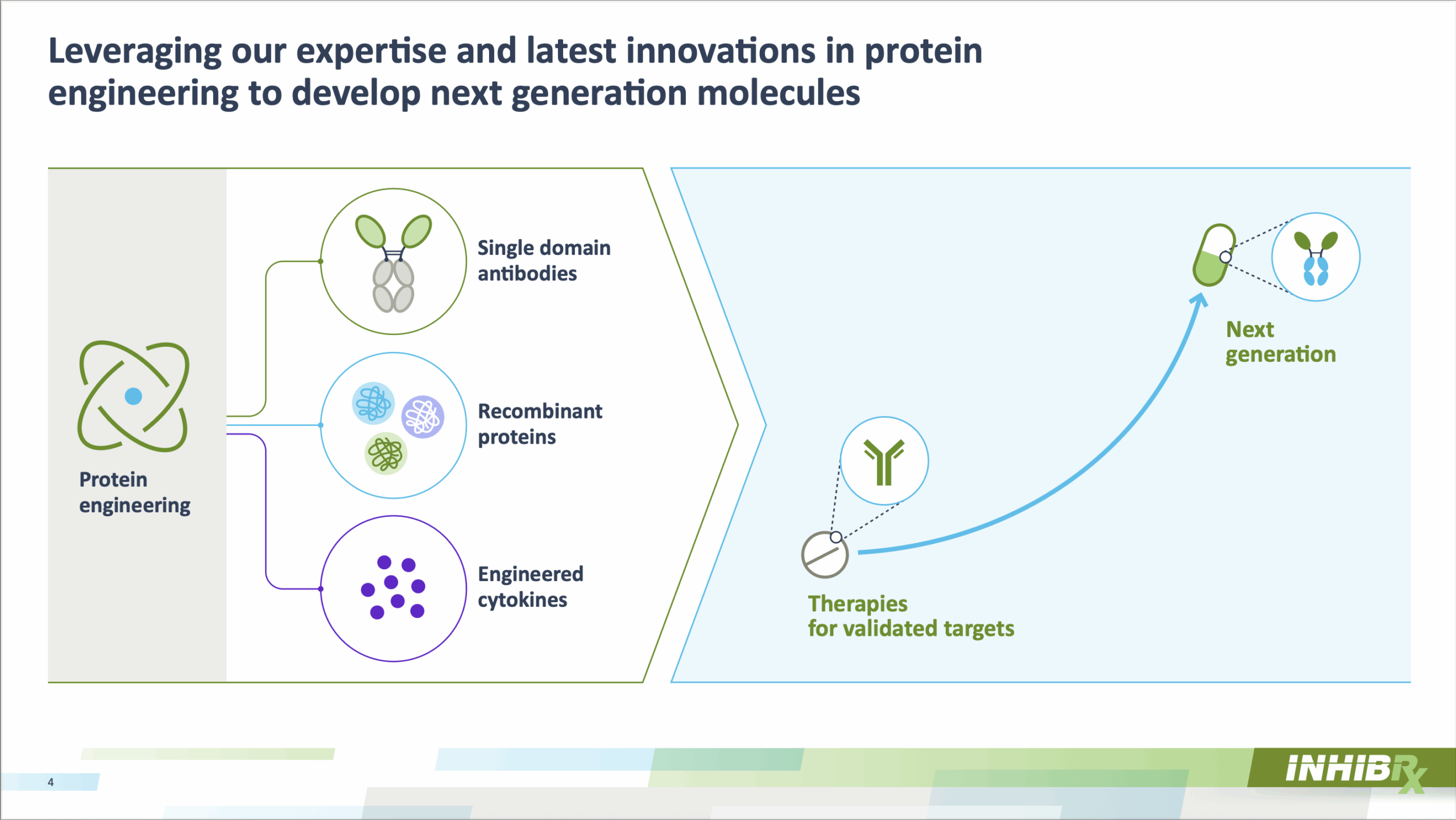
This slide from Inhibrx outlines their strategy of leveraging protein engineering, including single-domain antibodies, recombinant proteins, and engineered cytokines, to move from therapies for validated targets towards the development of next-generation therapeutics.
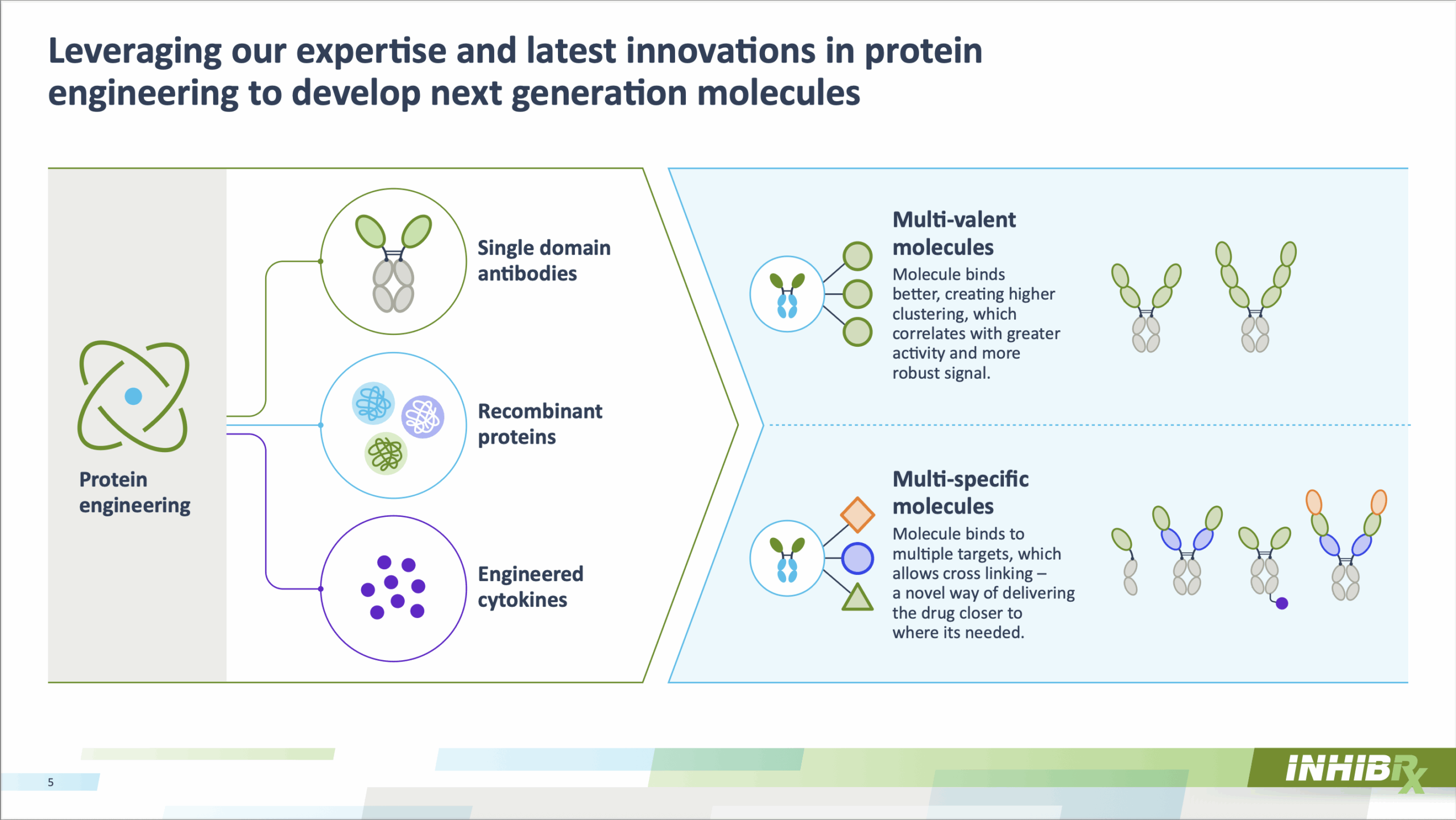
This slide from Inhibrx illustrates their approach to developing next-generation molecules through protein engineering. It highlights their work with single-domain antibodies, recombinant proteins, and engineered cytokines, leading to multi-valent and multi-specific molecules designed for enhanced activity and targeted drug delivery.
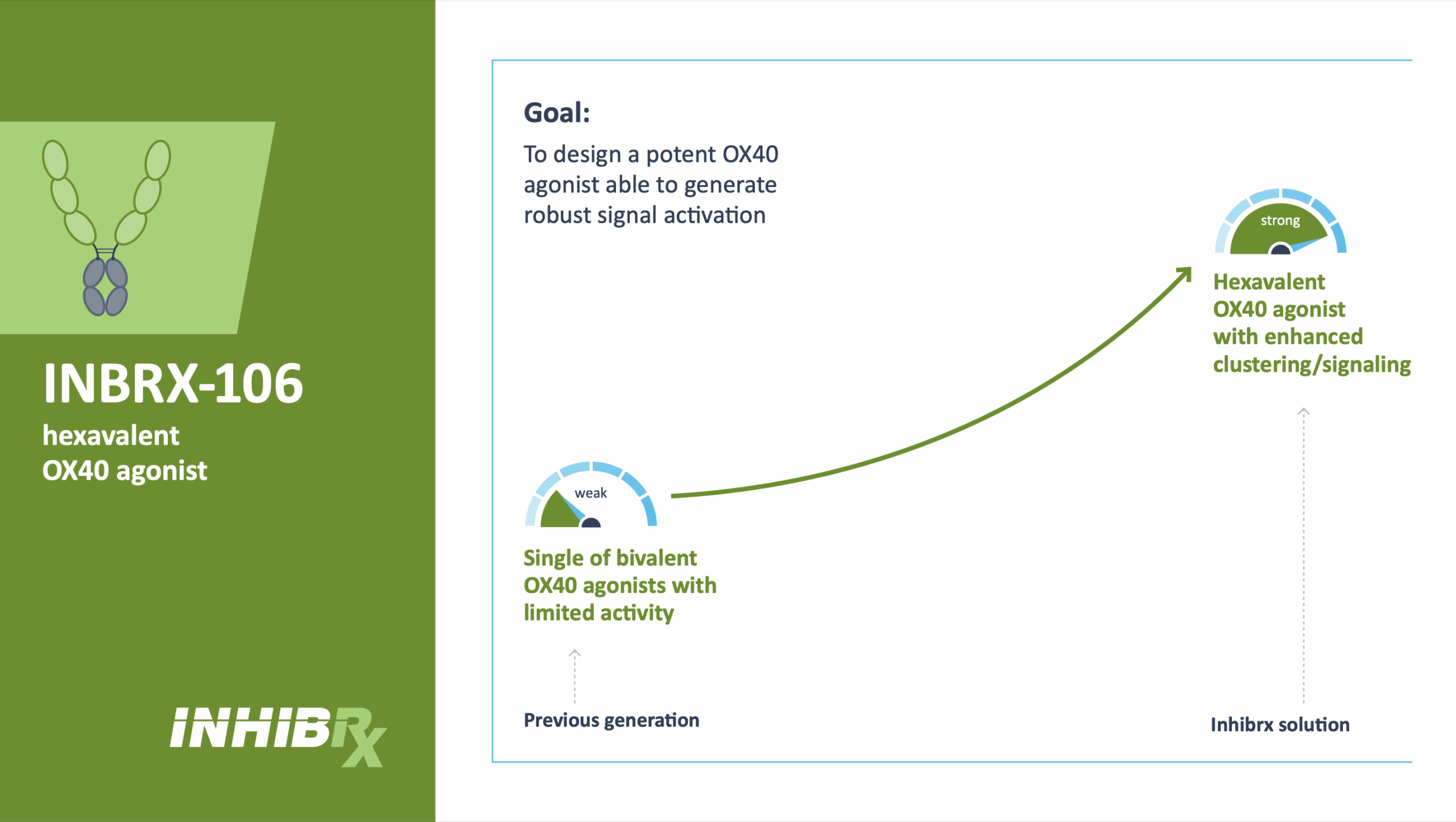
This slide focuses on Inhibrx's INBRX-106, a hexavalent OX40 agonist. It visually compares the enhanced clustering and signaling of their Inhibrx solution to the limited activity of previous-generation single or bivalent OX40 agonists, highlighting their goal to design a potent agonist for robust signal activation.
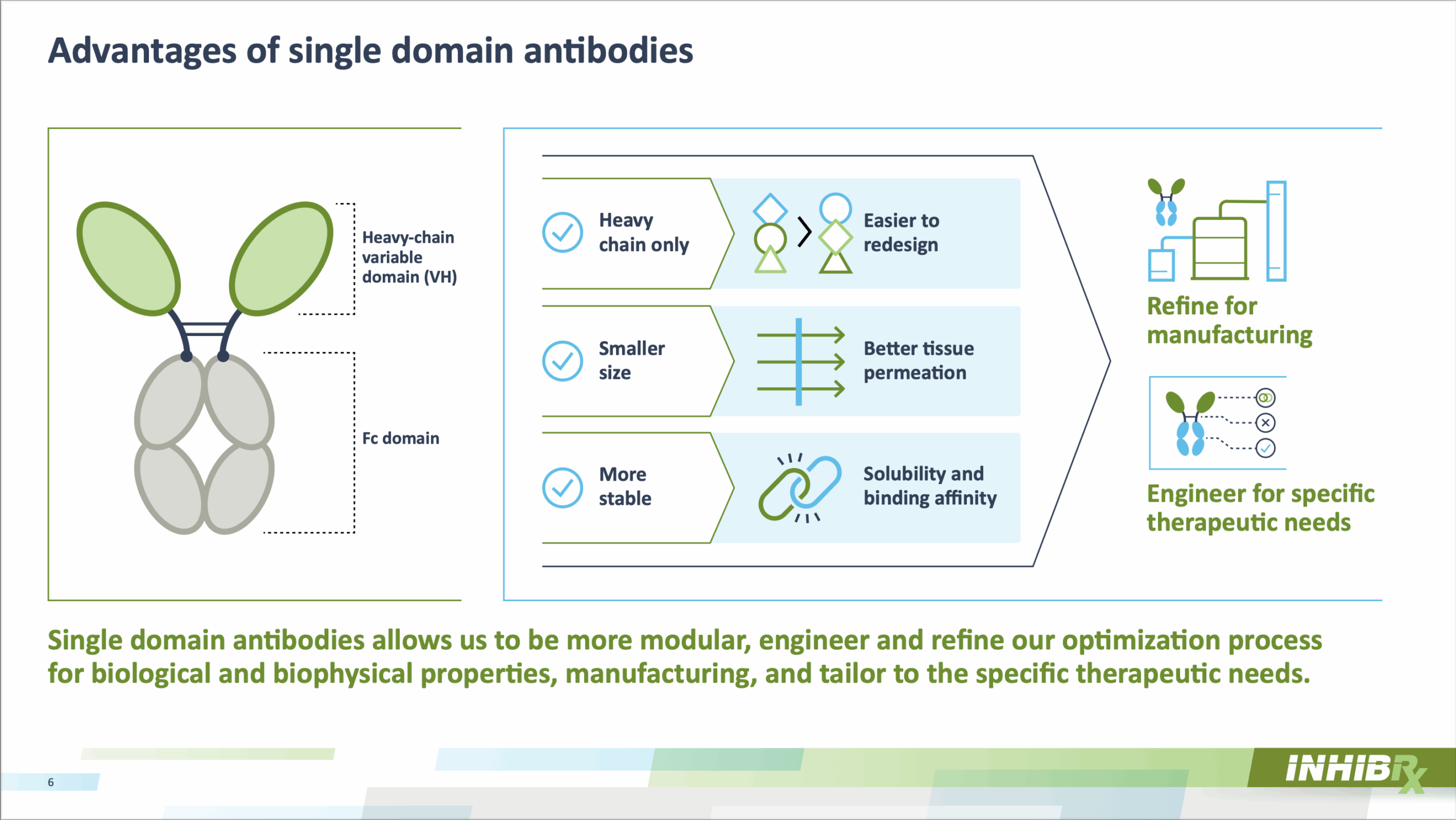
This slide details the advantages of single-domain antibodies, which are central to Inhibrx's platform. It highlights their smaller size, the fact that they are heavy-chain only, their stability, and how these properties lead to better tissue permeation, easier redesign, and enhanced solubility and binding affinity, ultimately allowing for modular engineering and refined optimization for specific therapeutic needs and manufacturing.